Culture Deep Dive
Peru: The Heart of the Andes
From the heights of Machu Picchu to the Amazon basin, Peru is a land of ancient empire, living Quechua traditions, and extraordinary cultural continuity.
From the heights of Machu Picchu to the Amazon basin, Peru is a land of ancient empire, living Quechua traditions, and extraordinary cultural continuity.
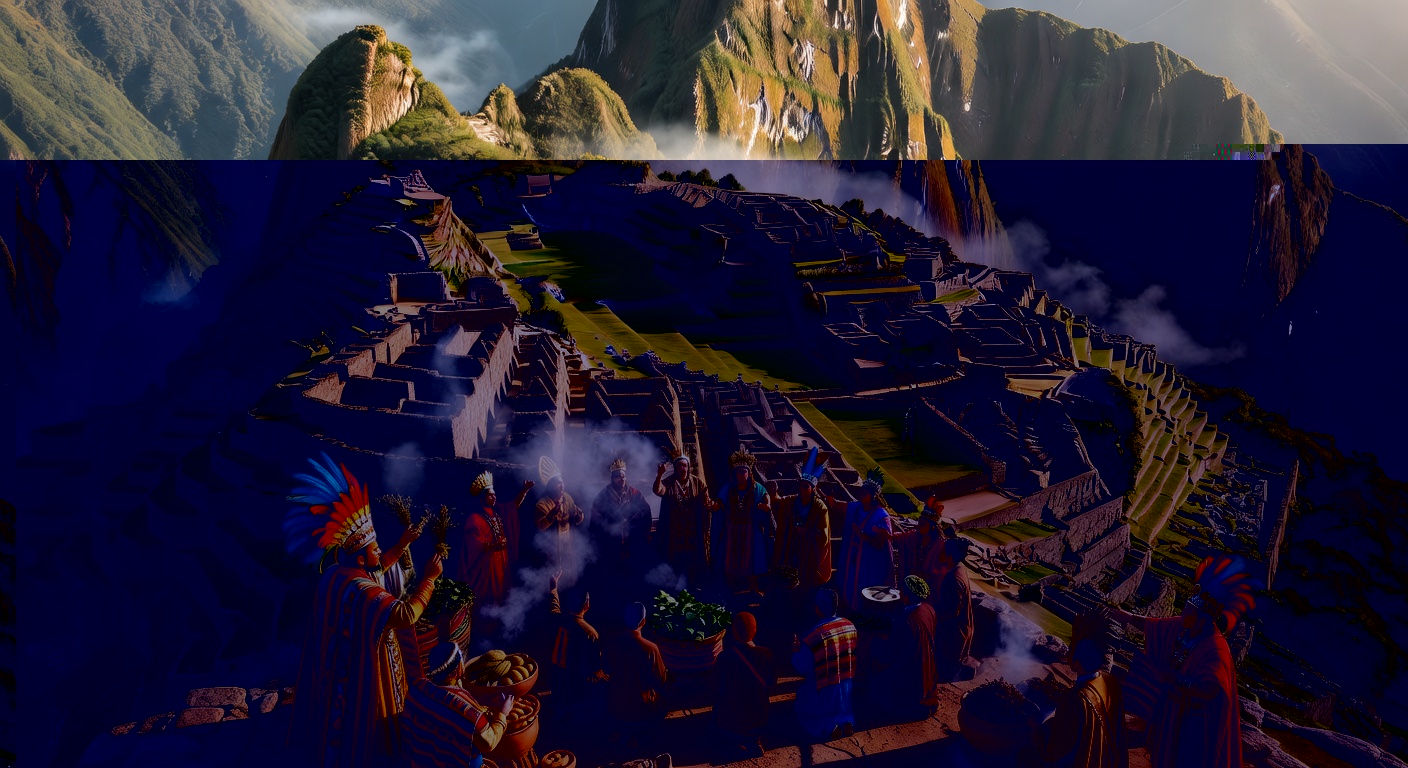
At its height in the 15th century, the Inca Empire — Tawantinsuyu, the "Four Regions Together" — was the largest empire in the pre-Columbian Americas, stretching 4,000 kilometres along the spine of South America from what is now Colombia to central Chile. The Inca did not merely conquer territory; they incorporated the cultures, technologies, and food systems of hundreds of distinct peoples into a remarkably sophisticated administrative civilization — one that built roads across vertical mountains, engineered irrigation systems at altitude, and stored food reserves to sustain millions through drought and war.
The Spanish conquest of 1532 dismantled the Inca state but could not extinguish its cultural inheritance. Today, more than eight million people speak Quechua — the language of the Inca — across Peru, Bolivia, Ecuador, and Colombia. In the Andean highlands above 3,000 metres, communities continue to farm the same terraces their ancestors built five centuries ago, using the same potato varieties domesticated thousands of years before that. The agricultural techniques, the textile patterns, the ritual calendar, the relationship with the mountain spirits — none of this died with Atahualpa.
What emerged from the colonial encounter was not a simple replacement but a layering — the syncretism that characterizes Andean culture today. Catholic saints stand in for Inca deities; the festival of Corpus Christi is celebrated with the energy of a pre-Columbian solar ceremony; the Virgin Mary and Pachamama (Mother Earth) share the same altar in mountain communities where the distinction between the two is considered unnecessary. This is not confusion. It is a sophisticated cultural negotiation that has been ongoing for five centuries.
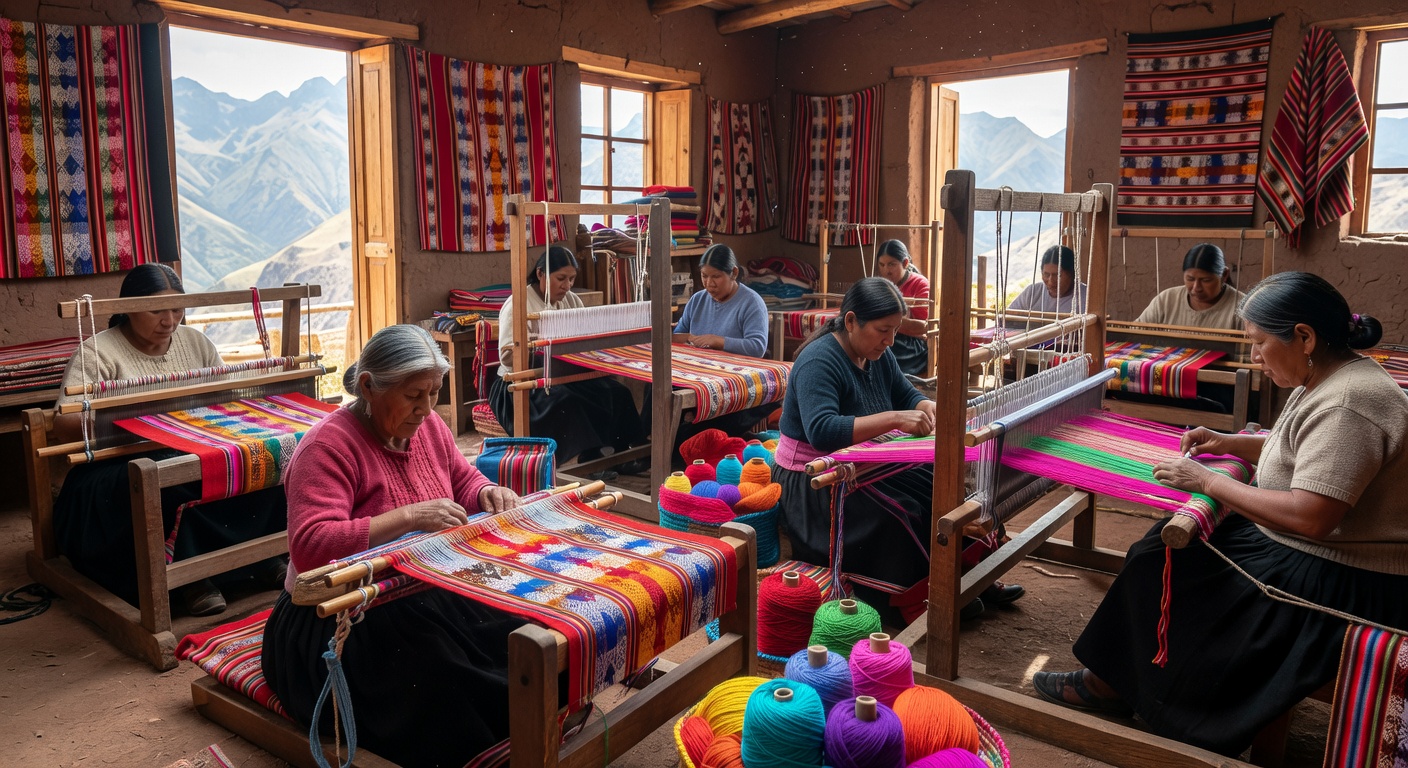
Andean textiles are among the most technically sophisticated in the world — woven in the Andes for more than 5,000 years. Each pattern is not merely decorative but a visual language: the colors indicate altitude and region, the geometric motifs encode the weaver's community, marital status, and spiritual affiliations, and the weaving technique itself carries information about the textile's intended ceremonial function.
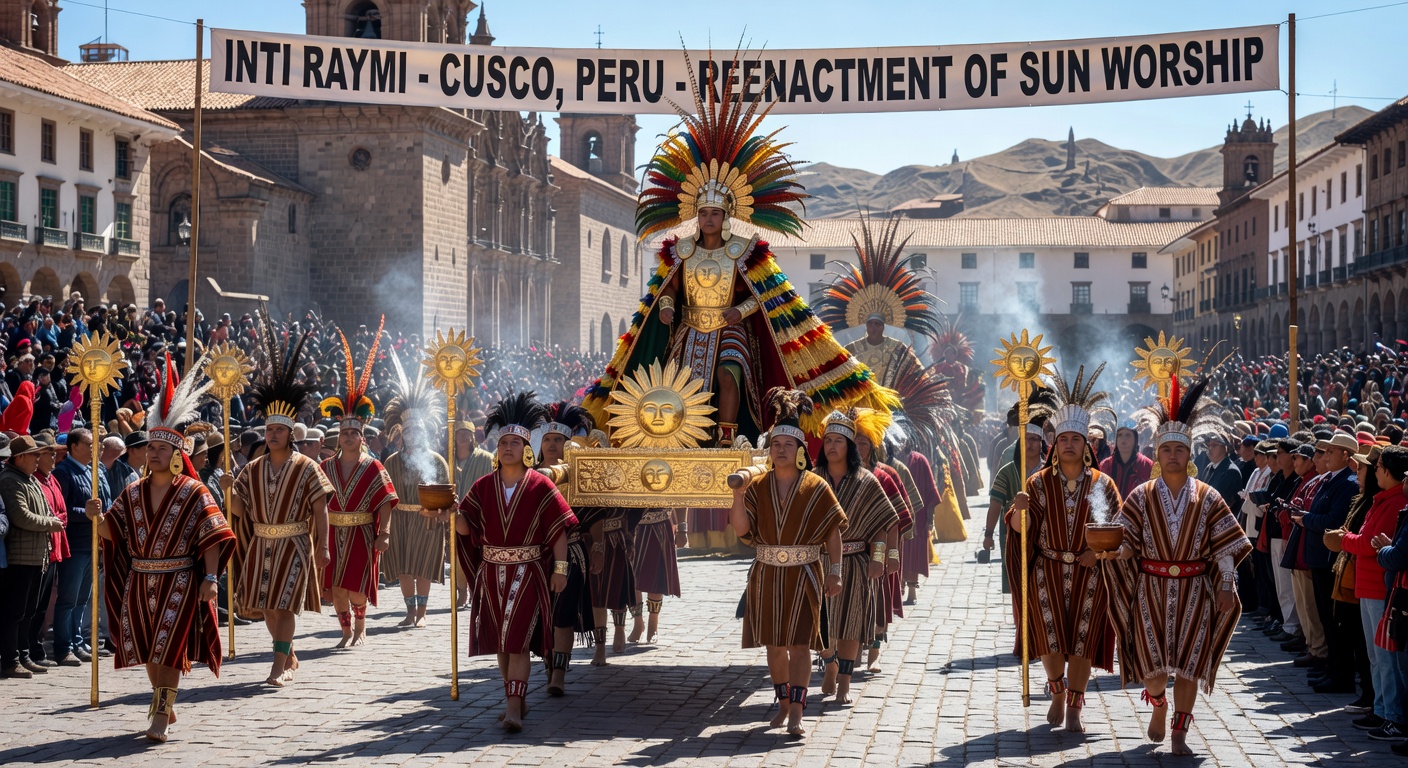
On the June solstice, Cusco transforms for the Festival of the Sun — the most important ceremony in the Inca ritual calendar. First celebrated by the Inca ruler Pachacuti in 1412, suppressed by Spanish colonial authorities in 1535, and revived in 1944, Inti Raymi now draws thousands of participants in Inca ceremonial dress to the fortress of Sacsayhuaman for a theatrical reconstruction that is also a genuine act of cultural reclamation.
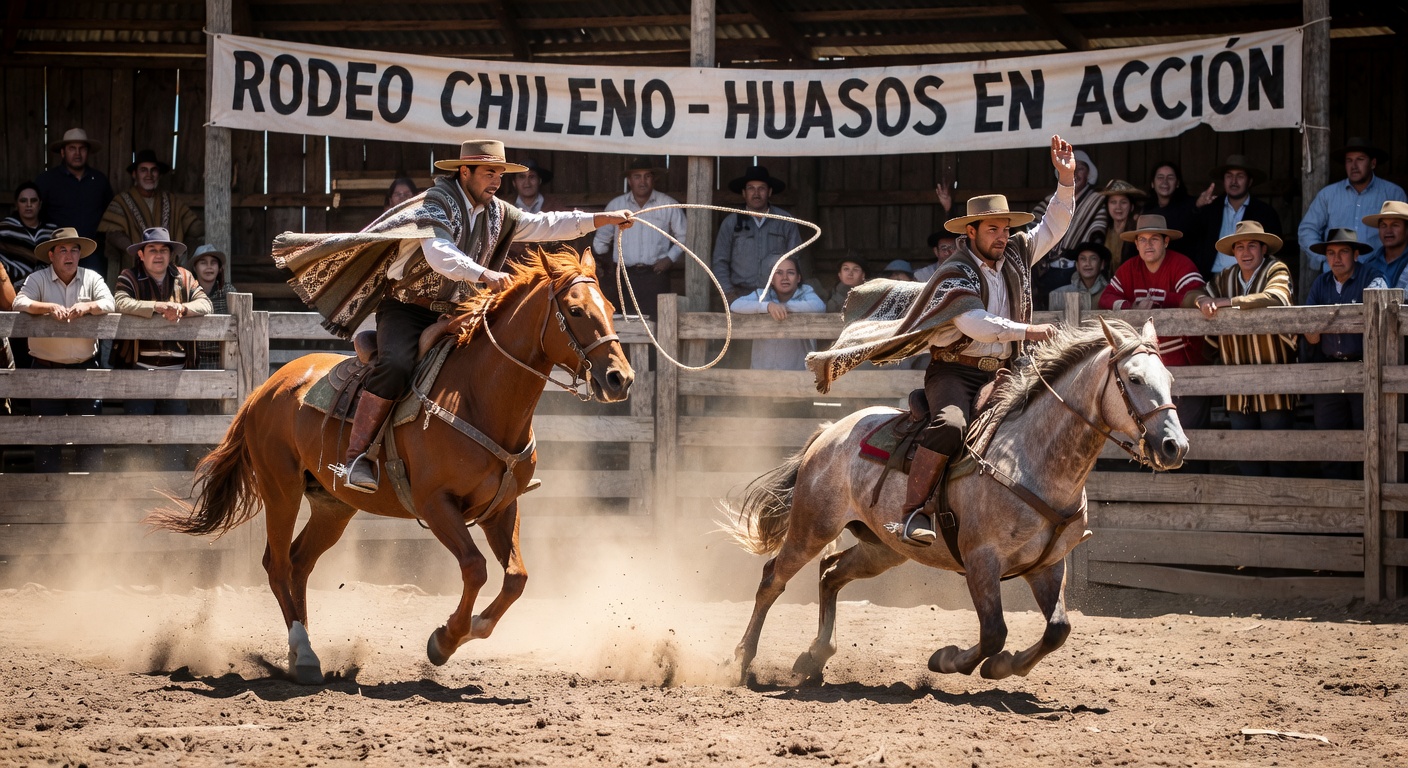
The Andean festival calendar is extraordinarily rich — rooted in the agricultural cycle of planting and harvest, the Catholic liturgical calendar, and pre-Columbian solar ceremonies. Festivals cascade through the year across Peru, Bolivia, and northern Chile: Candelaria in Puno (February), Qoyllur Riti (the Star Snow pilgrimage, May), Virgen del Carmen in Paucartambo (July). Each one is a living negotiation between multiple cultural inheritances.
Quechua is one of the world's great surviving indigenous languages — spoken by an estimated 8-10 million people across five Andean nations and recognized as a co-official language in Peru and Bolivia. It is not a fossil language; it is evolving, generating new vocabulary for new technologies, being taught in schools, and carried in contemporary literature, music, and film. The survival of Quechua is the survival of an entire way of understanding the world.
Peru's cuisine is recognized internationally as one of the world's great food cultures — and its sophistication is inseparable from its history of cultural fusion. The indigenous Andean foundation provides a pantry of extraordinary depth: more than 3,000 varieties of potato (domesticated in Peru), 55 varieties of corn, extraordinary native tomatoes, quinoa, kiwicha, lucuma, and the hot pepper (aji), which structures virtually all Peruvian cooking.
Onto this indigenous foundation, Spanish colonial cooking added European techniques and ingredients; Japanese immigration beginning in 1899 produced Nikkei cuisine, which fuses Japanese precision and saucing with Peruvian seafood and chili; Chinese Cantonese immigrants created Chifa — a Chinese-Peruvian fusion now so embedded in Lima's food culture that chifa restaurants outnumber virtually any other type. Peru is a place where fusion is not a trend but a centuries-long cultural reality.
Raw fish cured in lime juice (leche de tigre), tossed with red onion, aji amarillo, and cilantro. Peru's national dish — ancient in origin, electric in flavor, and now recognized globally.
A stir-fry of beef, tomatoes, onions, and aji amarillo, served with fries and rice. The definitive Chifa dish — Chinese wok technique fused with Andean and Spanish ingredients in a single sizzling pan.
Meats and vegetables slow-cooked underground in a stone-lined pit (huatia) heated by fire. A pre-Inca cooking method still practiced at community celebrations — an act of cooking in communion with the earth.
The earth is not a resource but a living being — the mother of all life. Offerings are made to Pachamama before planting, before travel, and at the beginning of every meal. The relationship is one of reciprocity, not extraction.
Each major mountain peak in the Andes is an apu — a protective deity specific to the communities it overlooks. The apu of Ausangate protects Cusco; the apu of Salcantay guards the communities of the Urubamba valley. They are prayed to, offered coca leaves, and consulted in times of crisis.
The Andean principle of reciprocal exchange — what you give will return to you, and what you withhold will also return. Ayni governs relationships between humans, between communities, and between humans and the natural world. It is the social infrastructure of Andean civilization.
The ancient capital of the Inca Empire — a city built on Inca stone foundations, where colonial baroque churches rise above pre-Columbian walls and the altitude makes everything feel closer to the sacred.